Skip to content
industrial and logistics

Comprehensive Rainwater Management for Logistics & Industry

Safe operational processes, controlled use of treated rainwater and reliable planning through compliance with all regulations – rainwater management on logistics and industrial sites must now meet several requirements simultaneously. Large, impervious surfaces, high static and dynamic traffic loads, and increasing incidents of heavy rainfall require solutions that systematically combine drainage, treatment, retention and infiltration.

Challenges & requirements

Logistics centres and industrial sites place complex demands on rainwater management. Effective rainwater management helps protect operations, infrastructure and natural water resources whilst supporting sustainable site development.

High loads and sealed surfaces

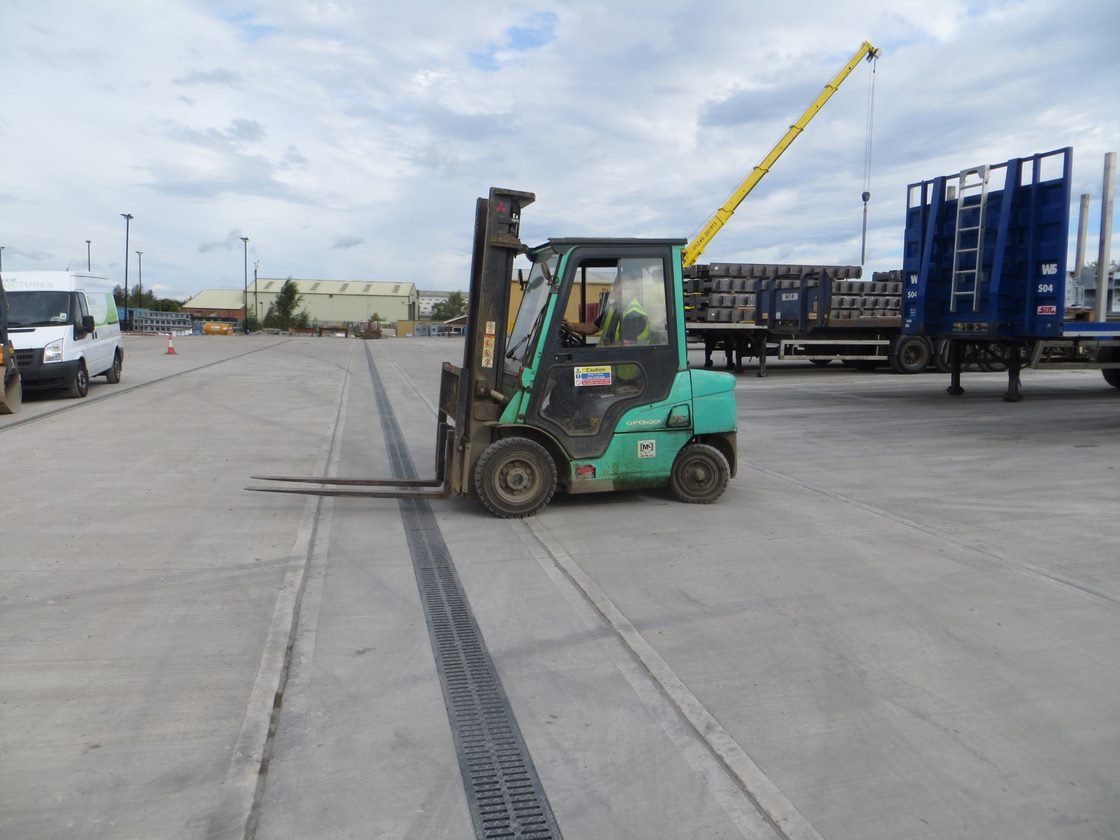
Heavy load wheel on RECYFIX NC drainage channel

Logistics centres and industrial estates are among the most demanding applications for rainwater management. Large sealed surfaces limit natural infiltration, whilst heavy goods vehicles, forklifts and container handling equipment generate significant dynamic loads. Braking, turning and manoeuvring movements create additional shear forces that place high demands on infrastructure.

Rainwater management systems must ensure reliable hydraulic performance and long-term structural stability. At the same time, they need to safely manage increasing volumes of runoff during heavy rainfall events.

Polluted rainwater

On logistics and industrial sites, rainwater picks up pollutants such as tyre abrasion, oils, fuels or fine particles. Without suitable rainwater treatment, these water-polluting substances enter the soil and water bodies. This is why high-performance systems for rainwater treatment are essential to comply with environmental regulations, protect water resources and support sustainable water management.

Climate resilience and sustainable water management

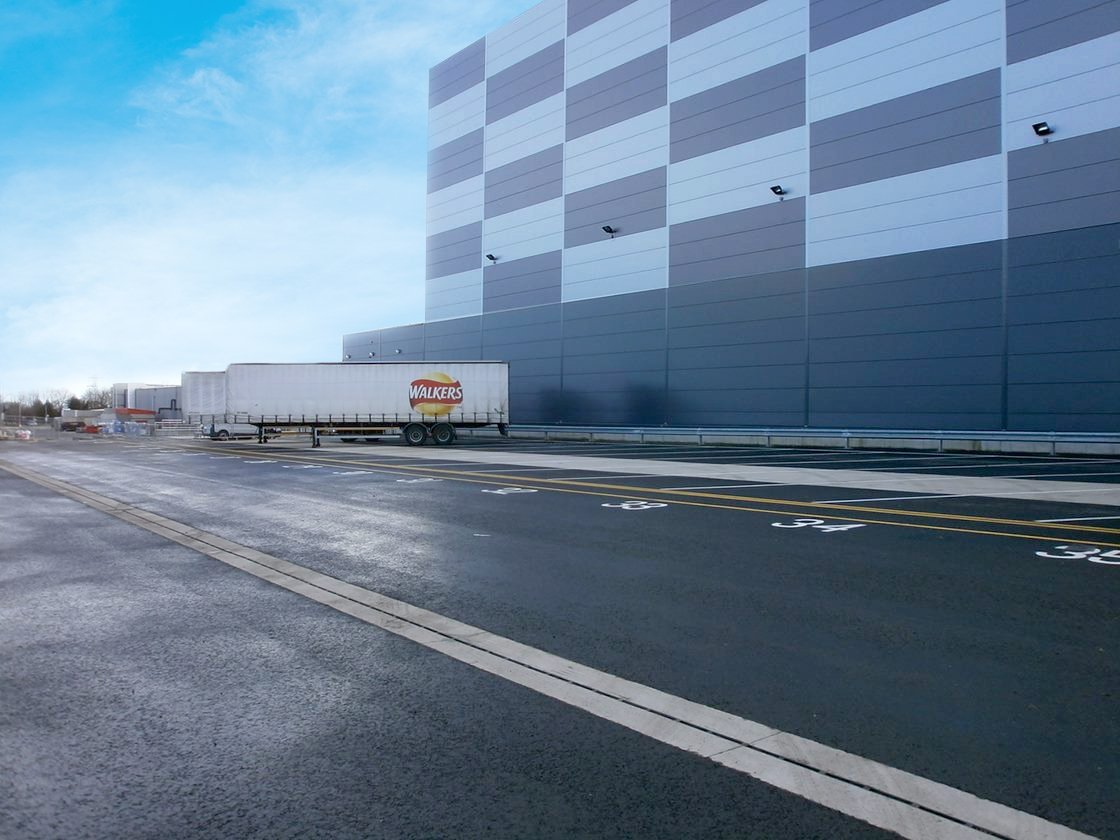
Logistics Centre Munich

More frequent heavy rainfall events and growing environmental requirements are changing the way logistics centres and industrial sites are planned. Modern rainwater management concepts focus on controlling runoff close to the source and reducing pressure on downstream infrastructure.

Key objectives include retaining rainwater before discharge, regulating flow rates and integrating decentralised management concepts. Combining drainage, treatment and retention functions creates resilient solutions that help protect operations, support sustainable site development and prepare sites for future climate challenges.

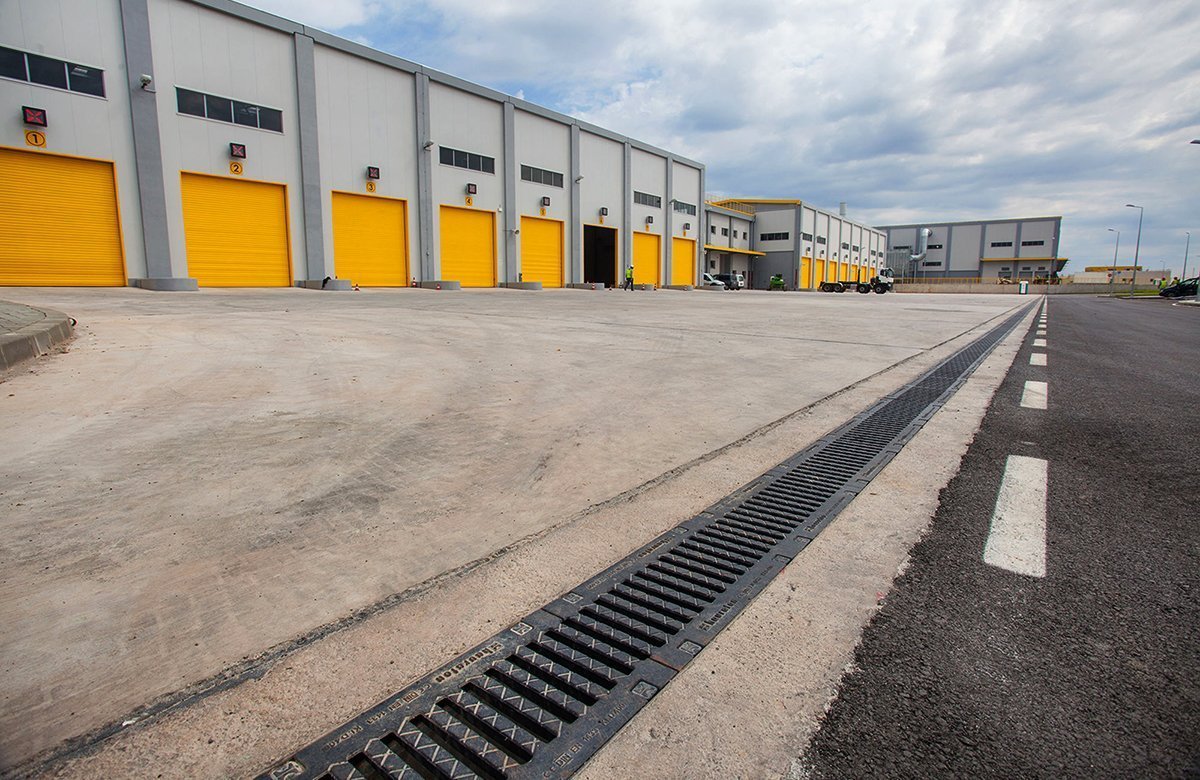
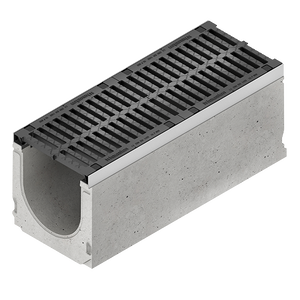
FASERFIX SUPER drainage channel
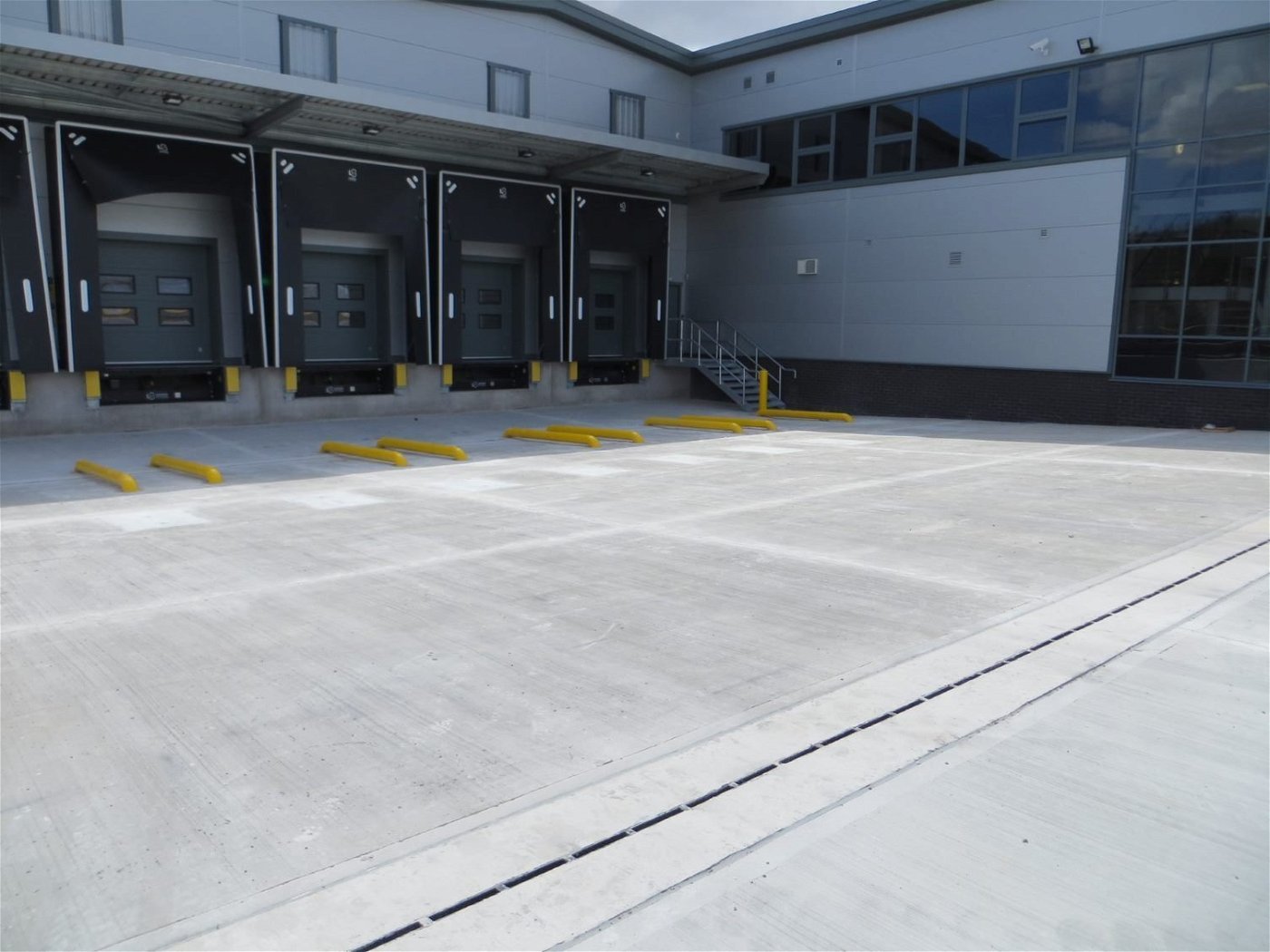
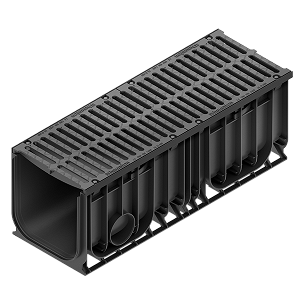
RECYFIX HICAP drainage channel

The system cycle: from surface water to the water cycle

Rainwater management in logistics centres and industrial estates only works as an integrated system. Rainwater passes through several stages:

By combining these functions, runoff can be managed close to the source, pollutants can be removed effectively and pressure on downstream infrastructure can be reduced.

FASERIX SUPER drainage channel
RECYFIX HICAP drainage channel

Product comparison for logistics centres & industrial estates

Effective rainwater management for logistics centres and industrial estates requires more than surface drainage alone. Depending on site conditions, integrated concepts for drainage, treatment and retention help manage runoff safely, protect water resources and support sustainable site development. The following solutions are designed to meet the specific requirements of logistics and industrial applications.

Product comparison table
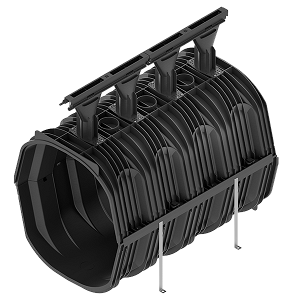
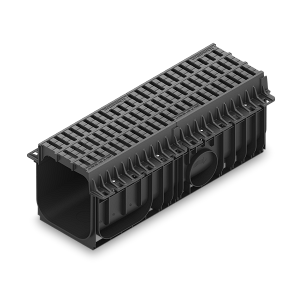
Attribute RECYFIX HICAP F RECYFIX MONOTEC ULTRA FASERFIX SUPER RECYFIX NC DRAINFIX CLEAN
Load class according to EN 1433 Load class according to EN 1433: up to F 900 Load class according to EN 1433: up to F 900 Load class according to EN 1433: up to F 900 Load class according to EN 1433: up to E 600 Load class according to EN 1433: up to F 900
Load frequency Load frequency: 6 out of 6 Load frequency: 6 out of 6 Load frequency: 4 out of 6 Load frequency: 3 out of 6 Load frequency: 4 out of 6
Load dynamics Load dynamics: 6 out of 6 Load dynamics: 6 out of 6 Load dynamics: 4 out of 6 Load dynamics: 3 out of 6 Load dynamics: 4 out of 6
Nominal width | System size Nominal width | System size: 1000, 2000, 3000, 5000, 8000, 10000 Nominal width | System size: 200, 300 Nominal width | System size: 100, 150, 200, 300, 400, 500 Nominal width | System size: 100, 150, 200, 300, 400 Nominal width | System size: 300, 400, 500
Materials of the lower parts Materials of the lower parts: Modified polypropylene (PP), 100 % recycled composite Materials of the lower parts: Modified polypropylene (PP), 100 % recycled composite Materials of the lower parts: Fibre-reinforced concrete Materials of the lower parts: Modified polypropylene (PP), 100 % recycled composite Materials of the lower parts: Fibre-reinforced concrete or polypropylene (PP)
Angle housing Angle housing:

Angle housing:

Angle housing:

Galvanised steel or ductile iron edge rail with 40 x 40 mm insertion depth

Angle housing:

Moulded as an integral part of the channel body

Angle housing:

Depending on the version with FASERFIX or RECYFIX:
Galvanised steel or cast iron frame with 40 x 40 mm insertion depth

Grating variants Grating variants:

Ductile iron slotted top

Grating variants:

Ductile iron grating with lateral concrete anchoring

Grating variants:

– Ductile iron gratings
– GUGI ductile iron gratings

Grating variants:

Ductile iron

Grating variants:

Ductile iron grating

Gradient Gradient:

– Constant depth
– Stepped fall

Gradient:

– Stepped fall (at NW 200)
– Constant depth

Gradient:

– Constant depth
– Built-in fall (150, 200, 300)
– Stepped fall

Gradient:

– Constant depth
– Stepped fall


Gradient:

– Constant depth


Special characteristics Special characteristics:

– Radial installations possible
– Large channels for retention
– Channel run without slotted top achievable, for example, under planted areas
– Cable installations can be threaded though throat voids of the channel

Special characteristics:

– Material combination of recycled PP and ductile iron for adaptability on the construction site and robustness
– Side wings for optimum connection to the concrete surface
– No screws and loose parts on the surface
– Connection between channel and grating encased in concrete for extra safety

Special characteristics:

– 16 fixing points for grating/metre

Special characteristics:

– Channel and cover = one component
– Self-centring screw –> automatically finds the correct position
– Polypropylene channel body can be easily machined on site

Special characteristics:

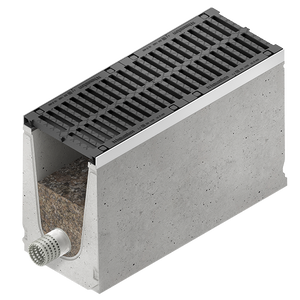
– Rainwater treatment by surface filtration
– DIBt approval
– Proprietary treatment system: CIRIA SuDS Manual C753 chapter 14

Reliable planning with HAURATON

From the initial concept to project delivery, HAURATON supports specifiers and contractors with technical expertise, practical tools and comprehensive project support.

Application areas that may also interest you

Contact us

Do you need support from our drainage experts? Contact us! We’re happy to help.

This field is for validation purposes and should be left unchanged.
Your Name*

Optional information that helps us give you better advice:

How can we help you?

Drop files here or
Max. file size: 256 MB.

    Questions?

    Our experienced planning team will be happy to help you.

    Get in touch
    Questions?